



In this article
Thinking about switching up your hair color, but not ready to take the plunge with bleach? You’re not alone. While hair bleaching can create a dramatic base for bold shades, it can also feel intimidating — especially if you’re concerned about keeping your hair healthy. The good news: you don’t need bleach to achieve vibrant, eye-catching color.
Just ahead, celebrity stylist and Sally Beauty expert, Gregory Patterson, breaks down the best practices and options for dyeing your hair without bleach, depending on your hair type and desired goal. He also shares tips and techniques to help you get salon-worthy results right at home.
Can I dye my hair without bleaching?
Yes! You can add color without bleach, and whenever possible, it’s an ideal way to go — it all depends on your starting hair level and your end goal, according to Patterson. For instance, going from black to blonde will require lightening, but moving from medium brown to light brown may be possible if your hair hasn’t been previously colored. Keep in mind: color can’t lift color — only a lightener can.
Whenever possible, it’s best to use hair color instead of bleach for more predictable results and less stress on your strands. Generally, you can refresh your current color or go darker without bleach — but how much you can lighten depends on your starting shade.
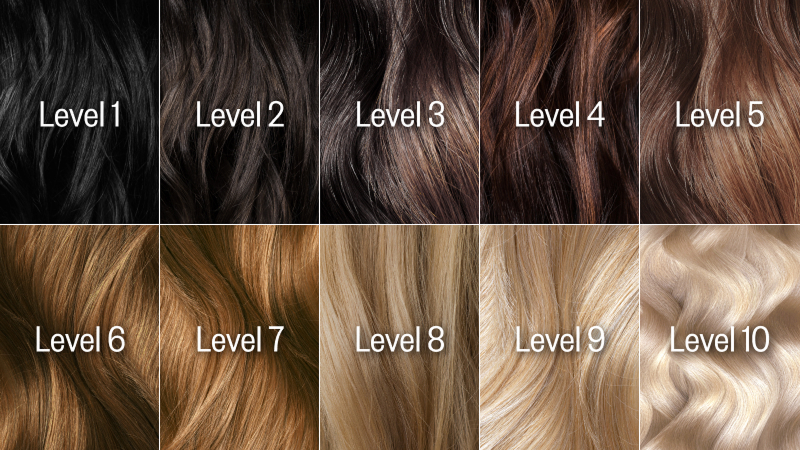
Understanding the hair color level system helps set realistic expectations for what’s possible. Each hair level has its own natural pigment that shows through during coloring — darker levels (1–5) have red to red-orange tones, while lighter levels (6–10) reveal orange to yellow tones. Knowing your starting level and desired result helps you choose the right shade and base tone (like ash, violet, or blue) for balanced, beautiful color results.

Not sure where to start?
Sally Expert Gregory Patterson recommends a free virtual consultation with a Licensed Colorist to help find your ideal shade.
Get startedWhat to expect
It all comes down to your hair level — how light or dark your natural (or current) hair color is, with level 1 being black and level 10 being lightest blonde. Without bleach, you can stay on current level, go darker or go up to one level lighter.
“We use the level system to determine your starting hair color,” said Patterson. “From there, we consider the underlying pigment at that level and at your desired level to decide whether to enhance, neutralize, or cancel tones. Understanding this is essential for formulating your ideal shade — it’s your color formula road map.”
What colors work best for dying dark hair without bleach?
For someone with dark brown or black hair, Patterson recommends:
Rich jewel tones (burgundy, violet, blue-black)
-
Glossy brunettes, honey and caramel tones
-
Darker reds
“These shades show up beautifully without bleach, because when the right level is selected, the applied color will work in harmony with the underlying pigment for much richer, long-lasting, gorgeous hair color results.”
Depending on the desired result, Patterson also recommends considering all of your hair color options — permanent, demi and semi to create an endless wardrobe of color possibilities.
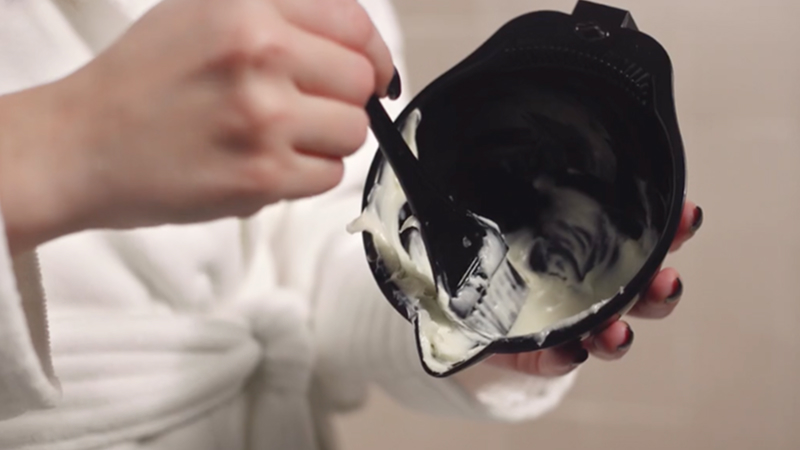
Tips for coloring your hair at home:
-
1. Start with clean, dry hair (no heavy conditioners or oils).
-
2. Section your hair for control. This ensures even application.
-
3. Apply dye generously and saturate fully.
-
4. Time it! Don’t guess, said Patterson. Hair dye molecules are enveloped within lipids and are different sizes. The timing is specific for the formulation and transportation into and through the cuticle as it journeys towards the cortex of the hair — where your melanin (aka your hair color) lives. It's vital that you let the color run its full course of suggested timing because that “ash” blue or “ash” green color molecule may be the last one to bind to the melanin because of how it's designed to survive the color journey. If you cut the timing short, that pigment won’t have the chance to do what it's supposed to do.
-
5. Rinse with cool water. Follow with color-safe shampoo and conditioner.
Pro tip: Patterson suggests applying like you're building a house — floor first, then the walls and lastly the roof. “Working bottom to top allows you to work neatly and cleanly while staying organized,” said Patterson.
Note: Every hair color type (permanent, demi, semi) will have its own “how to apply” method for both virgin & retouch applications. Each works differently — therefore, when applying, be mindful of the chemical being used, heat from the scalp and application zones.
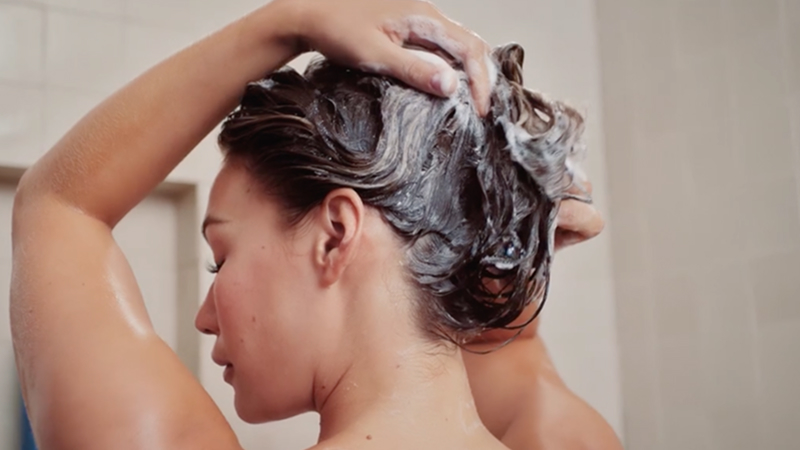
Tips for maintaining freshly dyed hair color
Use color-safe products.
Look for sulfate-free shampoo and conditioner formulated for color-treated hair. These help preserve your shade and prevent premature fading.
Deep condition weekly.
Alternate between regular moisturizer and protein-based hair mask to maintain elasticity and strength. Healthy hair holds color better.
Limit heat and hot water.
High temperatures (from styling tools or showers) can strip your color. Dial down the heat and use a thermal heat protectant every time you style.
Refresh as needed.
For semi- or demi-permanent colors, plan to reapply every few weeks.
