


“Bonding” has become a beauty industry buzzword. But what does it mean? Here's everything you need to know about hair bonds and bond repair products.
Hair bond repair has become all the rage, especially over the past eight years or so, when reparative products moved out of the salon and into the hands of consumers.
Originally created as salon- or professional-only treatments to repair fragile color and chemically treated hair, the clamor for at-home bond repair products hit a fever pitch around 2021 when more and more brands jumped onto the trend, offering a wealth of products from care to styling.
In this article
What is hair bond repair?
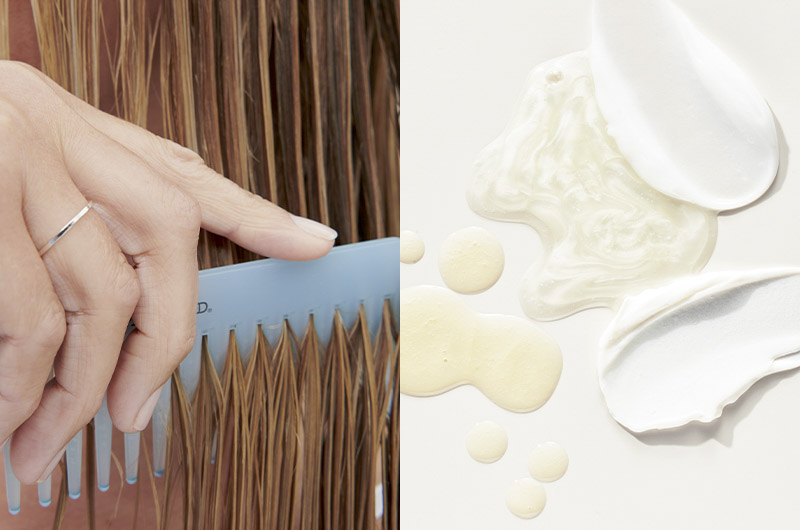
Your hair is made up of different types of bonds responsible for its health, strength and shape. When hair is damaged by hair color, hot tools, the environment, even everyday styling, those bonds break. Bond repair treatments help fix those broken bonds so your hair looks and feels healthier. While you can still get these hair repair treatments in salons, you can also do them at home, thanks to an array of easy-to-use, high-performing bond-strengthening products designed to repair even the most damaged hair.
Do I need bond repair?
You might be asking yourself if you really need these highly reparative products, and the answer is, most likely, yes, especially if you regularly expose your hair to chemicals and/or heat styling. Even the best, most moisturizing hair color is going to change the structure of your hair, compromising it to a degree. While heat protectants act as great shields when you're flat ironing, blow-drying and curling, your hair is still going to feel some of the heat. Even if your routine doesn't include obviously damaging steps, hair bonds can break from exposure to the sun or pollution, everyday detangling and styling — even the natural aging process causes some wear and tear. And consider this: bond repair treatments don't just repair the damage you can already see; they also protect against future damage.

Who is bond repair for?
In a word: everyone. Most bond-building hair treatments are designed for all hair types and textures. And fun fact: curly and coily hair types have more bonds than their straight-haired counterparts, so bond repair can be even more beneficial for these delicate textures.
What type of bond repair products exist?
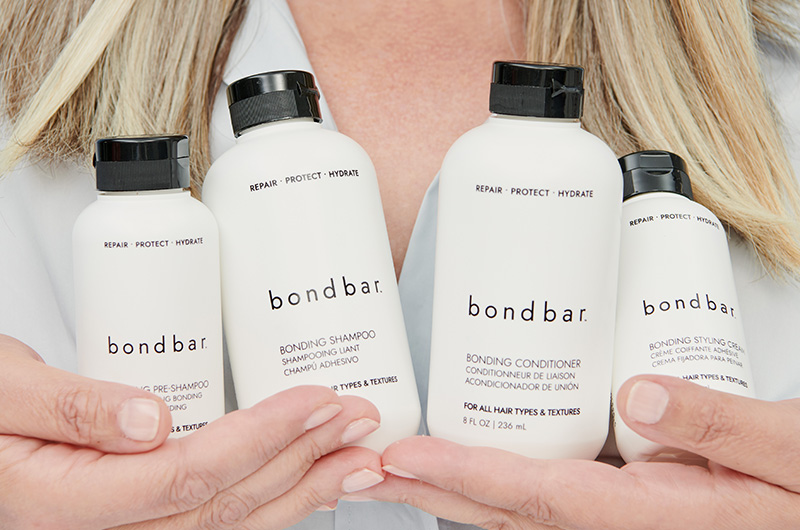
Bond repair products now cover just about every step of a hair routine from washing and conditioning to styling and even coloring. Here's a breakdown of the most common at-home bond repair products and how to use them.
-
Bonding pre-shampoo treatment
This intense treatment targets severely damaged hair and is generally used one to three times per week to strengthen weak hair bonds, reduce breakage and smooth. It's applied to wet hair, before shampooing, and left on for as little as 10 minutes or as long as 30, depending on your particular hair needs. It's sometimes mixed with a primer to enhance the treatment's effects.
-
Bonding shampoo
Start strengthening your hair right in the shower. Bonding shampoo works to repair hair bonds while gently cleansing and reducing frizz. While many shampoos can leave your hair feeling rough and dry, bonding shampoo can leave hair feeling softer and more hydrated. Many brands suggest leaving the shampoo in for a few minutes after lathering and before rinsing, so it has time to work its magic.
-
Bonding conditioner
Some benefits of a bonding conditioner will feel similar to your regular conditioner, like adding moisture and softness. But while a bonding conditioner certainly hydrates, it also works to re-link hair bonds, repair damage, add shine and reduce frizz.
-
Bonding mask
Think of a bonding mask as bonding conditioner on steroids. When your hair is desperately in need of moisture, shine, manageability and frizz reduction, this is the solution. It makes a great weekly or twice-weekly treatment, but depending on the level of damage, it could be used more frequently.
-
Bonding leave-in
A bonding leave-in can protect your hair health. After washing and conditioning, applying a bonding leave-in can continue the repair process, whether you're air-drying or blow-drying. It typically helps detangle, reduce frizz and smooth flyaways. Some leave-ins make blow-drying faster and have added heat protection, others help define curls.
-
Bonding serum
Another type of leave-in styling product, bonding serum often has the added benefit of sealing styles so they last longer. It also acts as a shield against environmental factors like sunlight and pollution while boosting shine.
-
Bonding oil
Typically highly concentrated (read: a little goes a long way), a bonding oil repairs and protects while adding shine and reducing frizz. It's great for use before heat tools (if it offers heat protection) or as the last step of a styling routine to smooth strands.
-
Bonding color additives
Since bond repair was originally designed to strengthen color-treated hair, it's fitting that these products are added directly into hair color or lightener to help prevent color damage, strengthen, revitalize and smooth.
-
Post-color bonding treatment
Applied immediately after color, bonding color sealers strengthen color-treated hair and protect against damage and color fade.

Which bond repair treatments should I use?
There really is a product for everyone and every hair need. Which are right for you?
Your bond repair arsenal will depend on your current hair routine, level of damage and hair goals. Because every head of hair is different, a little trial and error might be in order. One thing to note: many brands create bond repair systems or a series of products that are designed to work better together.
-
If your hair is healthy
If your hair is generally healthy — you don't color it or use hot tools frequently —a bonding treatment, used every other week, can be great for maintenance. Most bonding shampoos and conditioners are created for all hair types to be used daily or every time you wash. But if you use them, and your hair feels “heavy,” try alternating them with your other favorite products.
-
If your hair is dry and/or frizzy
In addition to shampoo and conditioner, your key products will be a hair mask used two to three times a week, a treatment used once a week and a leave-in every time you wash to smooth frizz and flyaways.
-
If your hair is color treated or chemically treated
If you color, bleach or relax your hair, using a treatment once a week can help revitalize and repair it. If you're coloring your hair, you should be using products specifically designed to prevent color fade and maintain brightness. But alternating those with a bonding shampoo and conditioner can help provide added strength. You'll also want to mix a bond additive with your hair color to prevent further damage.
-
If your hair is highly damaged
Whether the damage is caused by color, hot tools, chemical services, tight hairstyles — or all of the above — you'll want the wash day essentials: bonding shampoo, conditioner, treatment and a leave-in. You can use the treatment up to two or three times a week to repair and restore.

How long does it take to rebuild hair bonds & what kind of results can I expect?
Many at-home hair bonding treatments help repair damaged hair after the very first use. Some people report seeing better results after two to three uses, and even better results over time. These products aim to make hair look and feel healthier, stronger and more hydrated overall. You might also notice your hair become easier to manage and detangle and that you're seeing less frizz, fewer flyaways and more shine.
Bottom line
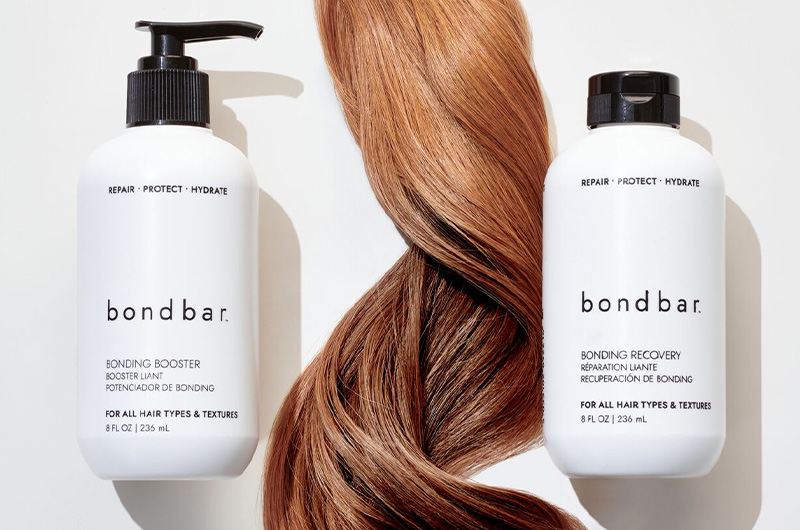
Hair bond repair treatments provide fast-acting damage control for hair that's been compromised by chemical processes and everyday styling. So whether your damage is minimal or extreme, it's worth trying a few products to unlock healthy, happy hair.
